

When Experience and Knowledge Create a Better Version of the Original
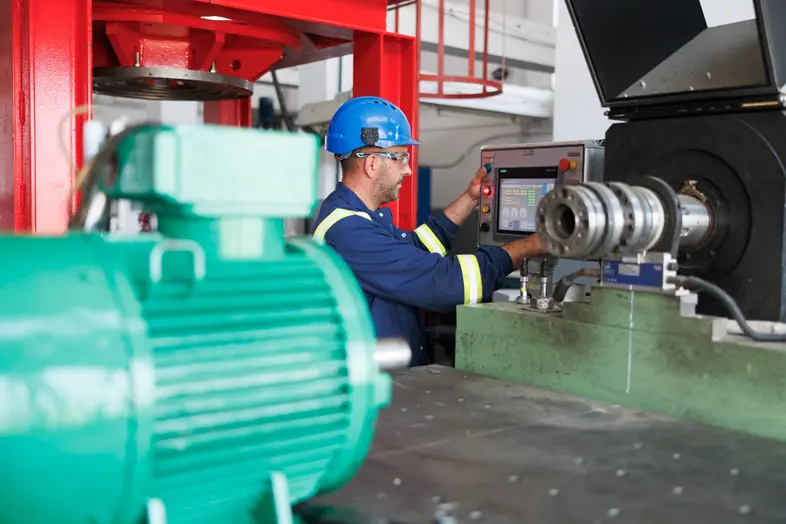
The production of parts at the refinery falls under the broader field of reverse engineering. This approach ensures that newly manufactured parts are faithful copies of the original in terms of dimensions, shape, manufacturing precision, surface quality, and material type. While often associated with 3D technologies, reproduction can also be carried out using traditional methods.
The reverse engineering of parts, particularly for rotating equipment, has a long tradition—initiated in the Rotating Equipment Maintenance Department at the Pančevo Refinery and later developed and refined within Naftagas – Tehnički Servisi.
Gallery
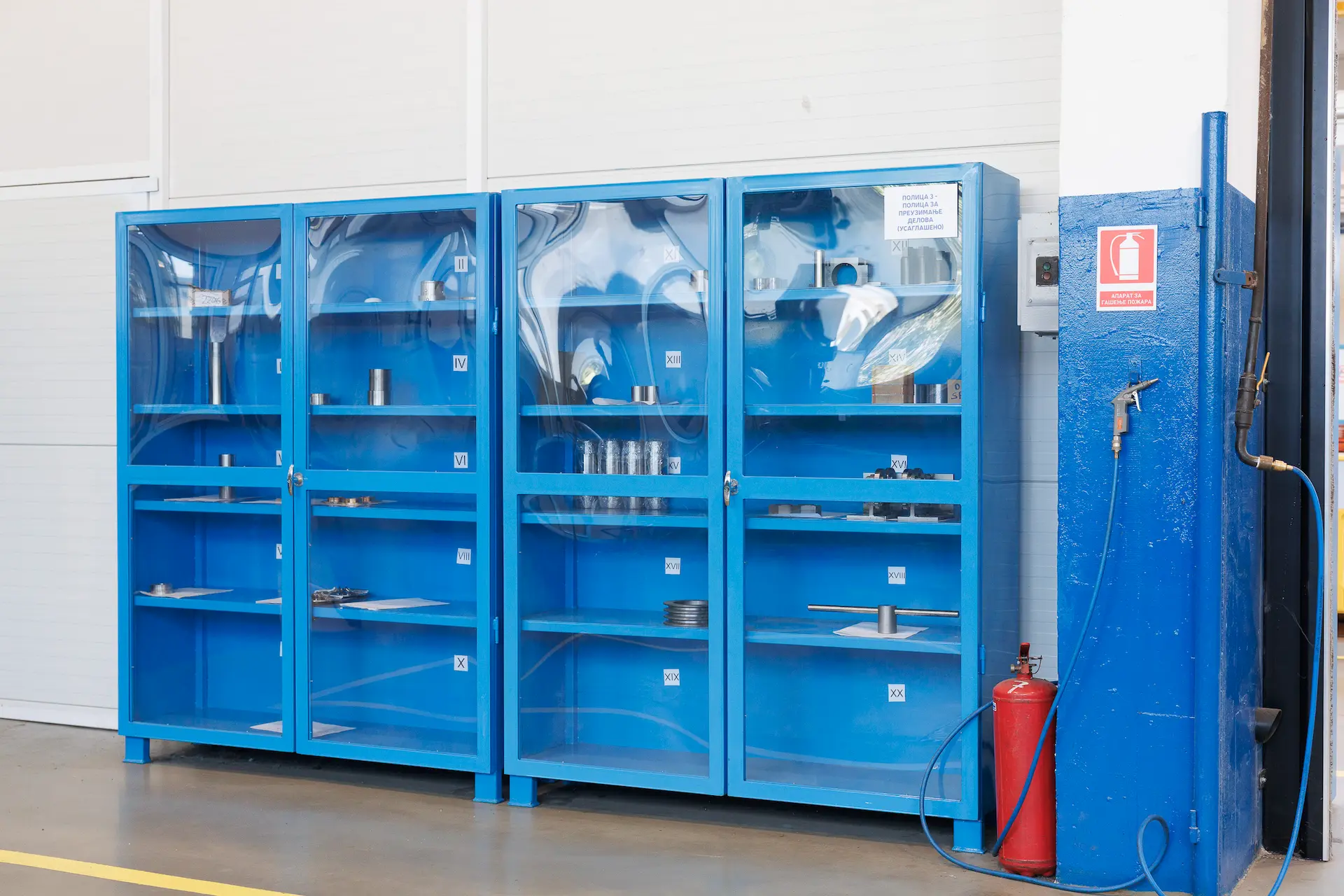
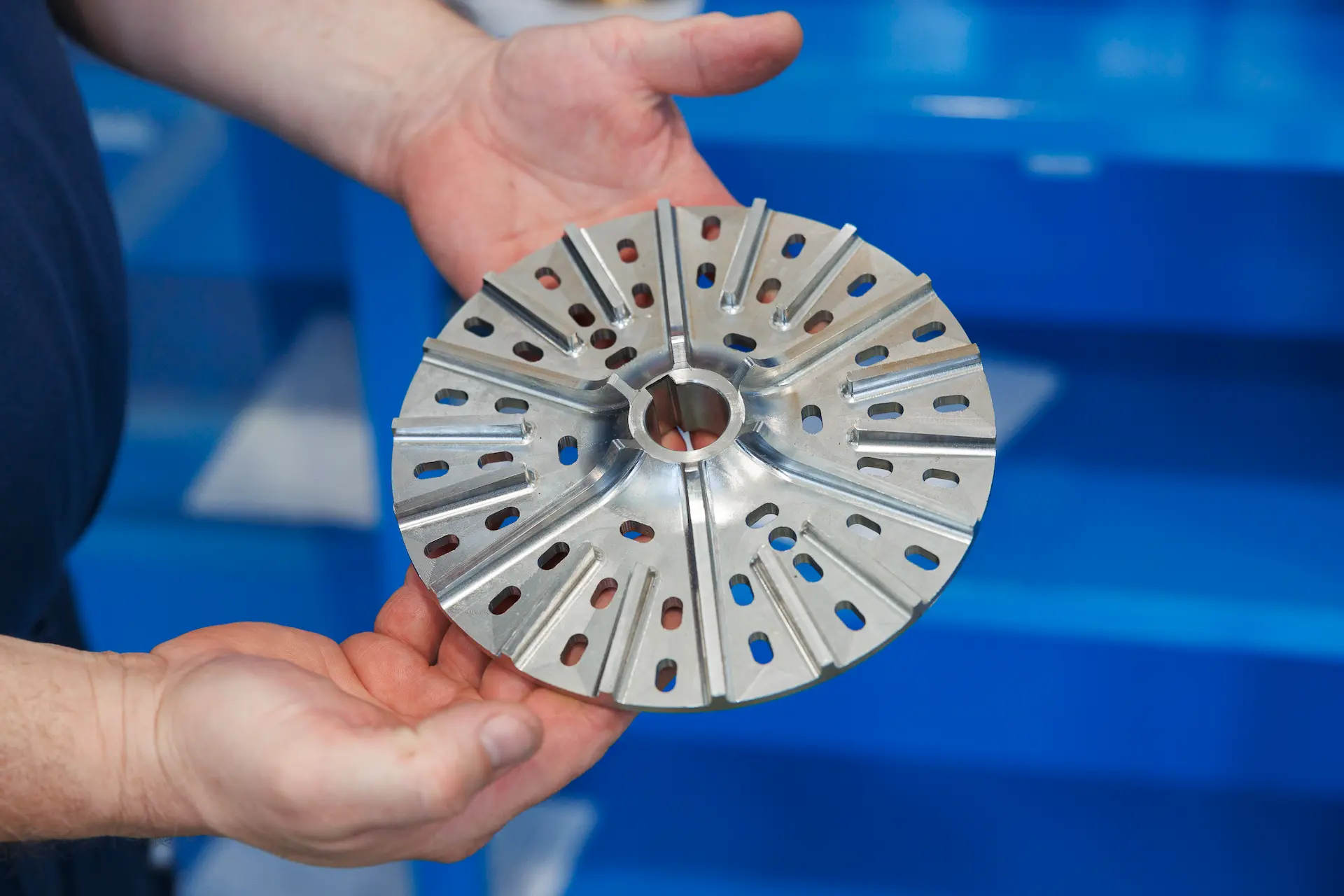
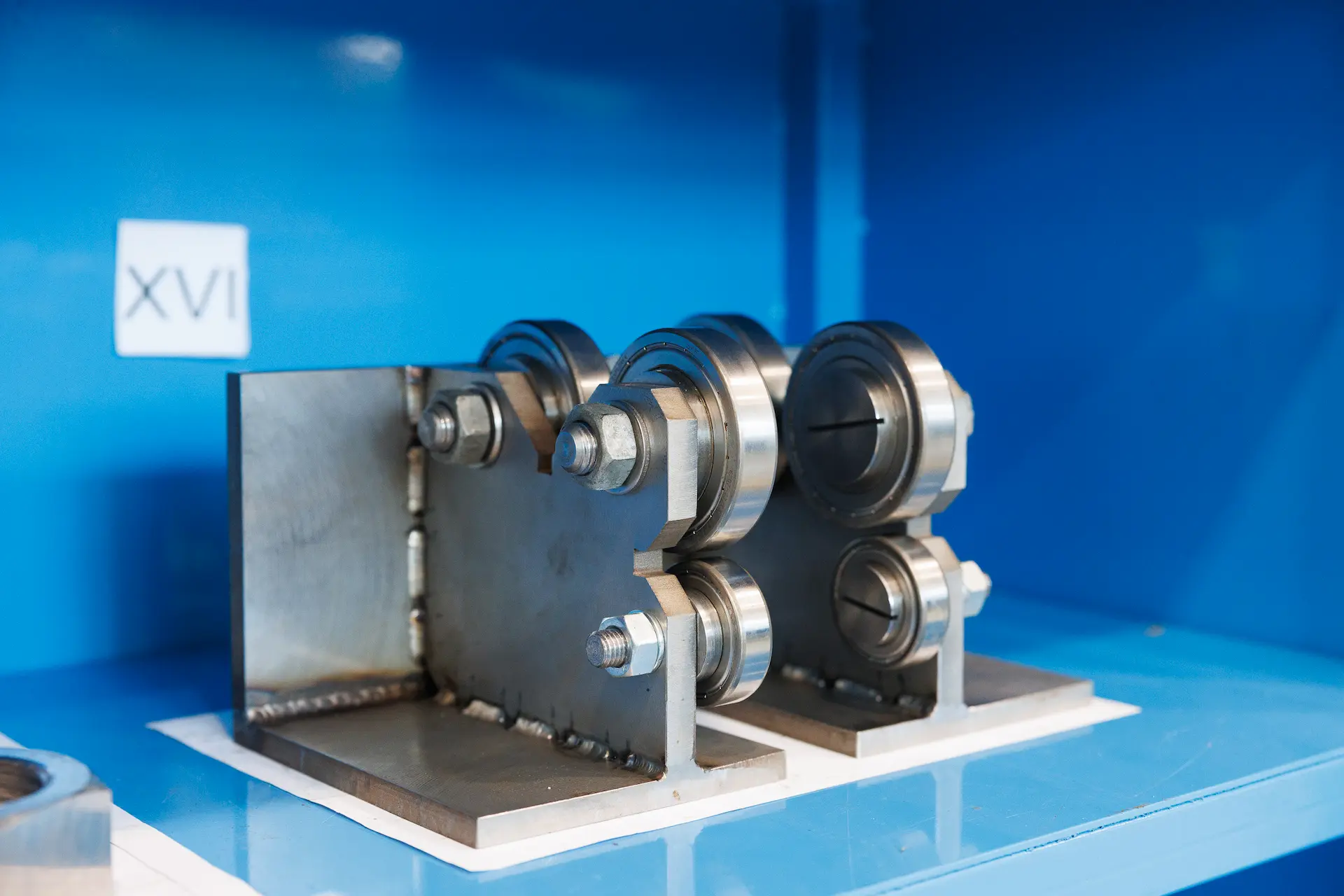
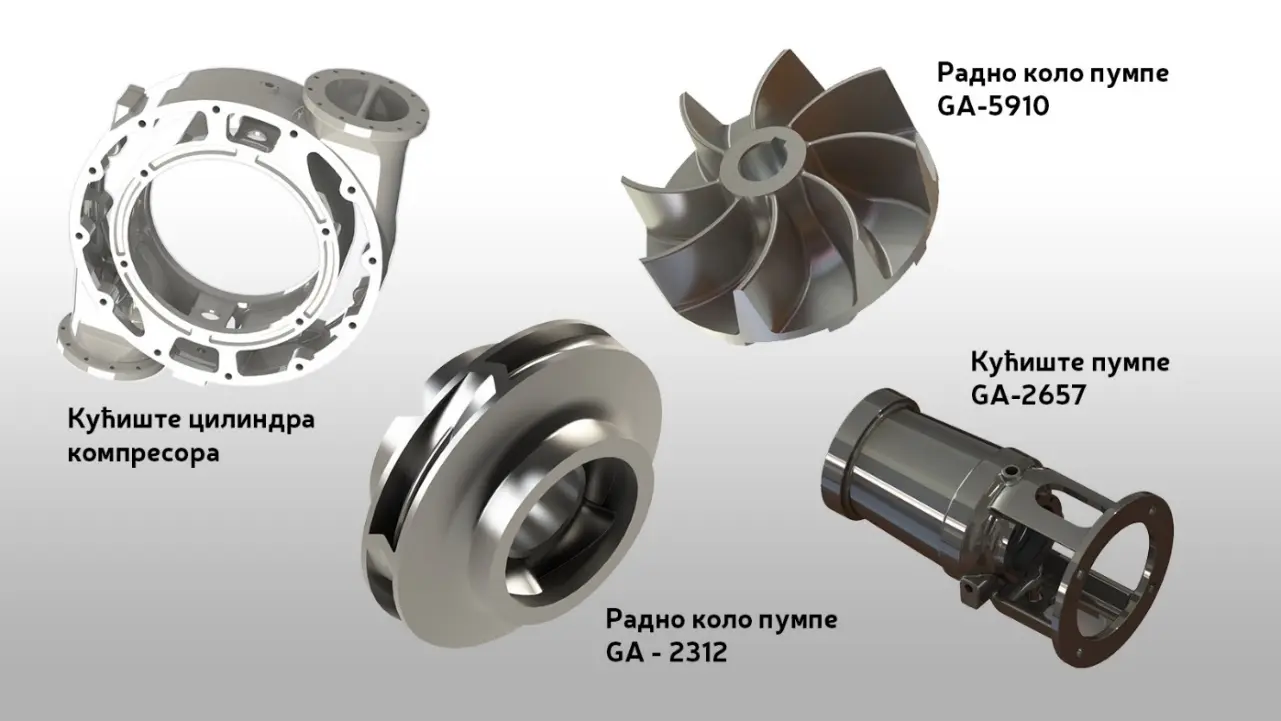
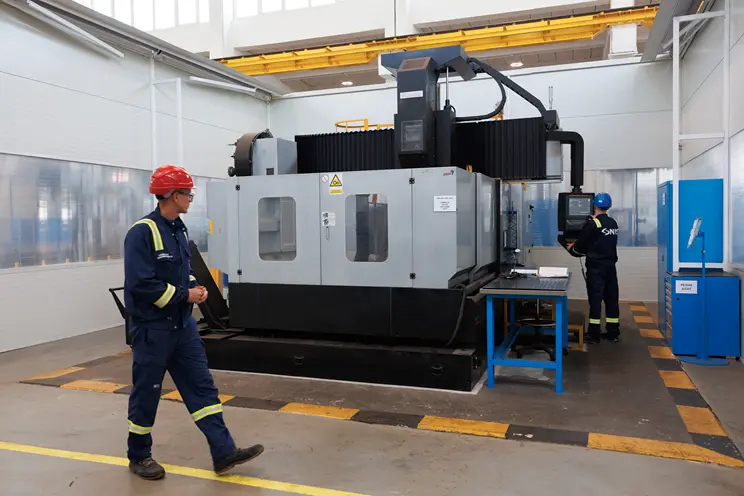
Our engineers have further enhanced the process by analyzing technical shortcomings of the original design when creating 3D models, applying improvements wherever possible in line with modern technologies and requirements.
According to Borjan Rinkovec, Chief Engineer for Quality and Reliability at Naftagas – Tehnički Servisi, a key milestone for reverse engineering was 1999.
 Borjan Rinkovec
“During the bombing, a large number of rotating and other equipment parts were damaged or destroyed. Due to sanctions, obtaining original components was impossible, so we began producing 2D and 3D technical documentation to manufacture the parts. The process included external casting followed by machining in-house or externally, depending on complexity and resources,” explained Rinkovec.
Between 1999 and 2002, several dozen equipment parts were produced through casting and subsequent machining. Since then, reverse engineering has been continuously applied, especially in the Rotating Equipment Maintenance Department and the Machining and Parts Production Department.
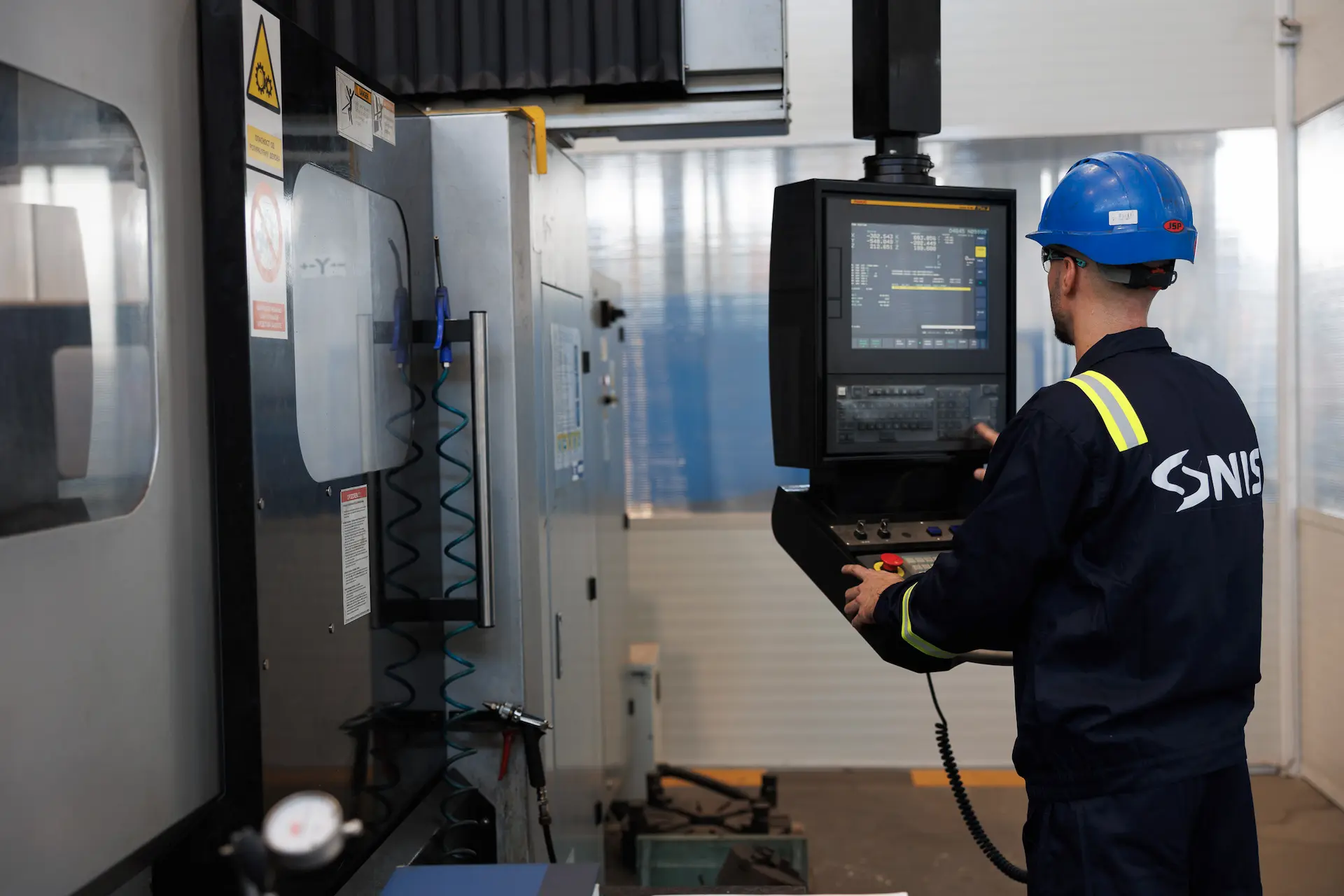
In recent years, significant investments have been made in new technologies, including specialized software, 3D scanners, and CNC machining centers.
“Modern technology alone doesn’t guarantee results. Expensive equipment is ineffective without engineers who can turn data into functional parts. This phase is also where design improvements occur—an opportunity to create an enhanced version of the original. We are confident in our knowledge and professionals to achieve this,” Rinkovec concludes.
Parts Production Process
Most spare parts are manufactured in the Machining and Parts Production Department, with some tasks outsourced when workloads exceed workshop capacity.
Saša Tonković, Head of the Process Systems Maintenance and Handling Unit in Pančevo, adds:
 Saša Tonković
“Modernizing the equipment has enabled a safer, more efficient working environment, improved part quality, and faster project completion. Accredited laboratory reports confirm this quality. Planned investments include CNC lathes and circular grinding machines, allowing us to keep up with modern trends and technological advancements. This approach is crucial for reducing complaints and improving the final product quality.”
A recent successful project involved producing the impeller for pump GA-5354, covering all stages—from traditional measurement techniques and technical documentation to 3D scanning and CNC machining on a portal center.
Darko Božić, Head of the Project Implementation Group, and Zoran Rosić, Project Coordinator for the plant group, explain that the parts production process covers not only rotating assemblies but also other types of process equipment used in refining and product transport at the Pančevo Refinery.
 Darko Božić
“In collaboration with the Novi Sad facility, Project Office, and various Pančevo units—such as the Stationary Equipment Maintenance Department and Welding Works Department—Naftagas – Tehnički Servisi successfully manufacture parts and assemble entirely new equipment, including segments of cooler EC-2101, heat exchanger tube bundle EA-2302A, and replacement of radiant zone tubes in furnace BA-2201,” state Darko and Zoran.
“The department employs specialists from three brigades whose experience and expertise contribute to the manufacturing and repair of parts,” adds Saša Tonković.
 Zoran Rosić
This approach and application of advanced technologies improve refinery reliability, enhance work quality, and increase customer satisfaction with the equipment.